
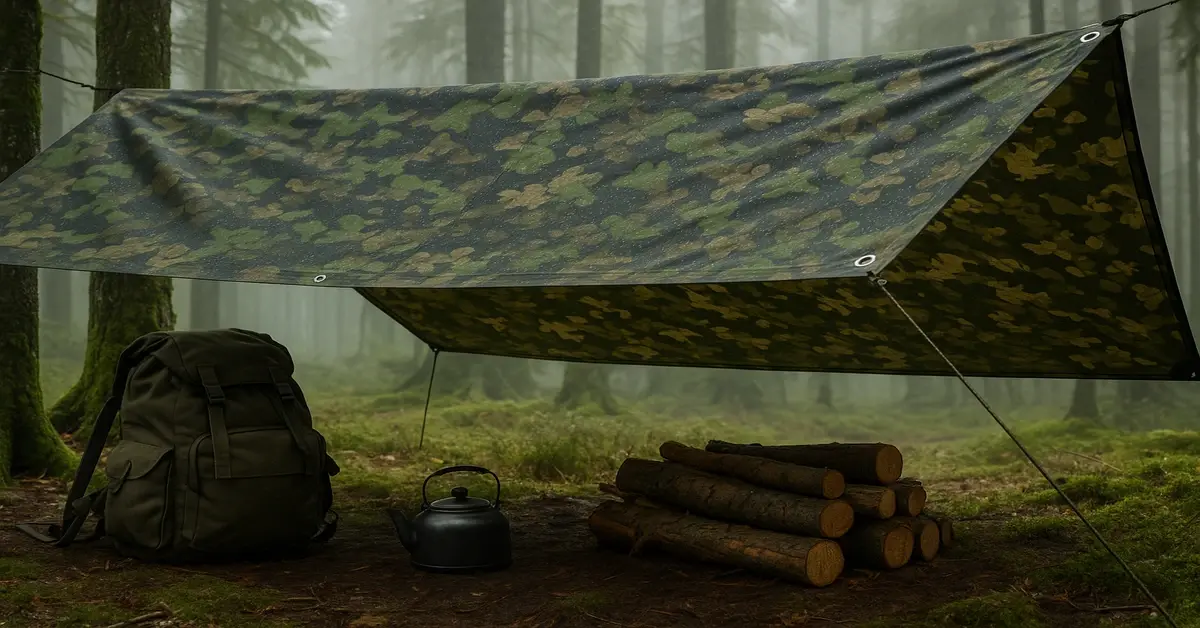
Why the Right Tarnplanen Matters Today
Choosing the right tarnplanen can completely change your outdoor experience. Many people buy the wrong tarp because they underestimate size, fabric strength, or weather resistance. As a result, their tarp leaks, tears, or fails at the worst moment. This guide explains the most important features, smart usage tips, and care methods so you can choose a product that truly performs when you need it.
What Are Tarnplanen? Definition & Common Uses
Tarnplanen are durable camouflage tarps designed to protect equipment from rain, wind, and sun while blending into natural environments. Unlike camouflage nets, they provide full weather protection thanks to their solid, waterproof surface.
Common Uses
-
Hunting & wildlife observation: blinds, shelters, and concealment
-
Camping & bushcraft: emergency shelters, ground covers, windbreaks
-
Vehicle protection: covering cars, motorcycles, and outdoor gear
-
Garden & storage: protecting firewood, tools, and building materials
Why Camouflage Works
Camouflage patterns break up straight outlines and match natural color tones. This creates outline masking, a visual effect that makes objects harder to detect in outdoor surroundings.
Buying Guide: What to Look for Before You Choose Tarnplanen
The best buying decisions start with clear priorities. Price alone does not tell you how long a tarp will last or how well it performs.
Key Buying Factors
-
Waterproof coating: PU or PVC coatings offer reliable rain protection
-
Water column (hydrostatic rating): 1,000–5,000 mm is ideal for outdoor use
-
Material options:
-
Nylon: lightweight and compact
-
Oxford fabric: strong and versatile
-
Canvas: extremely durable but heavier
-
-
Tear resistance: higher g/m² means stronger material
-
Reinforced edges & metal eyelets: essential for long-term durability
-
UV resistance: slows down sun damage and fading
Frequent Buying Mistakes
-
Choosing a tarp that is too small
-
Ignoring waterproof ratings
-
Buying cheap models without reinforced stitching
Pro Tip: Decide your exact use case, pack size, and budget before shopping. This makes filtering options much easier.
Tarnplanen Sizes: Which Dimensions Are Best?
Choosing the correct size ensures proper coverage and better stability.
Popular Sizes & Ideal Uses
-
3 × 3 m: bushcraft, solo shelters, compact setups
-
4 × 6 m: camping, small vehicles, gear protection
-
6 × 8 m and larger: large storage, garden use, heavy equipment
Weight vs Mobility
-
Light tarps (<300 g/m²): best for backpacking and hiking
-
Heavy tarps (>500 g/m²): ideal for long-term outdoor protection
Tarnplanen Compared: Material, Durability & Value
| Material | Weight | Waterproofing | Durability | Best For |
|---|---|---|---|---|
| Nylon | Light | Good | Medium | Hiking & trekking |
| Oxford | Medium | Very good | Good | All-purpose outdoor use |
| Canvas | Heavy | Good | Very high | Long-term use |
| PVC | Heavy | Excellent | High | Industrial & harsh weather |
Value Tip: Oxford fabric offers the best balance between strength, weight, and price for most users.
How to Use Tarnplanen for Hunting, Camping & Outdoor Activities
Hunting Use
-
Keep the tarp tight to avoid noise
-
Add natural elements like leaves and branches for better concealment
-
Position it to reduce glare and reflections
Camping & Bushcraft
-
Use A-frame or lean-to shelter styles
-
Leave a small air gap between ground and tarp to reduce moisture
-
Apply it as a ground cover, rainfly, or gear cover
Vehicles & Stored Equipment
-
Avoid constant friction on painted surfaces
-
Lift the tarp occasionally to release trapped moisture
-
Never seal a vehicle completely airtight under the tarp
Safety Note: In urban areas, camouflage use may cause confusion. Always use duties responsibly.
Care, Cleaning & Storage: Make Your Tarnplanen Last Longer
Good maintenance greatly extends the life of your tarp.
Cleaning Tips
-
Brush off dirt and debris first
-
Clean with mild soap and water
-
Avoid high-pressure sprayers
-
Let the tarp dry completely before storage
Storage Tips
-
Store in a dry, cool place
-
Roll instead of folding when possible
-
Check regularly for moisture buildup
Repairs
-
Patch small holes with repair tape or fabric
-
Replace worn eyelets to avoid further tearing
DIY Tarnplanen: Is Making Your Own Worth It?
You can make tarnplanen yourself, but there are important trade-offs.
Pros
-
Custom sizes
-
Personalized camouflage patterns
Cons
-
Weaker waterproof performance
-
No industrial UV protection
-
Time-consuming production
Bottom Line: DIY works for special shapes and experiments. For heavy use, store-bought models are more reliable.
Tarnplanen Recommendations for 2026
-
For beginners / occasional use: Lightweight Oxford or nylon tarp (~300 g/m², ~4×6 m) — easy to carry and perfect for light outdoor use
-
All-rounder for regular users: Medium-weight tarps with reinforced edges and metal eyelets — great for camping, hunting, and gear protection
-
Heavy-duty / long-term protection: Canvas or PVC tarps (>500 g/m²) — best for vehicles, storage, and building materials
-
Budget & temporary use: Basic PU-coated nylon or polyester tarp
-
Custom projects / DIY: Tailored Oxford fabric tarp with homemade seams and eyelets
Tip: Choose based on how often you use it, what you cover, and whether portability or durability matters most.
Conclusion
High-quality tarnplanen protect your equipment, improve concealment, and support a wide range of outdoor activities. Size, material, and maintenance all play a major role in performance. With the guidance in this article, you can confidently choose a tarp that suits your needs and lasts for years.
Frequently Asked Questions
1. What is a tarnplane used for?
A tarnplane is used to conceal and protect gear, vehicles, and shelters with a durable camouflage tarp.
2. Which tarnplane is best in 2026?
The best tarnplane in 2026 features strong waterproofing, UV resistance, and reinforced edges for long-term use.
3. What size tarnplane should I choose?
Choose 3×3 m for solo setups, 4×6 m for camping, and 6×8 m or larger for big covers.
4. Are tarnplanen waterproof?
Most tarnplanen are waterproof if they include PU or PVC coating and a tested water column rating.
5. How long does a tarnplane last?
A quality tarnplane lasts between 3–10 years depending on use, material, and care.