
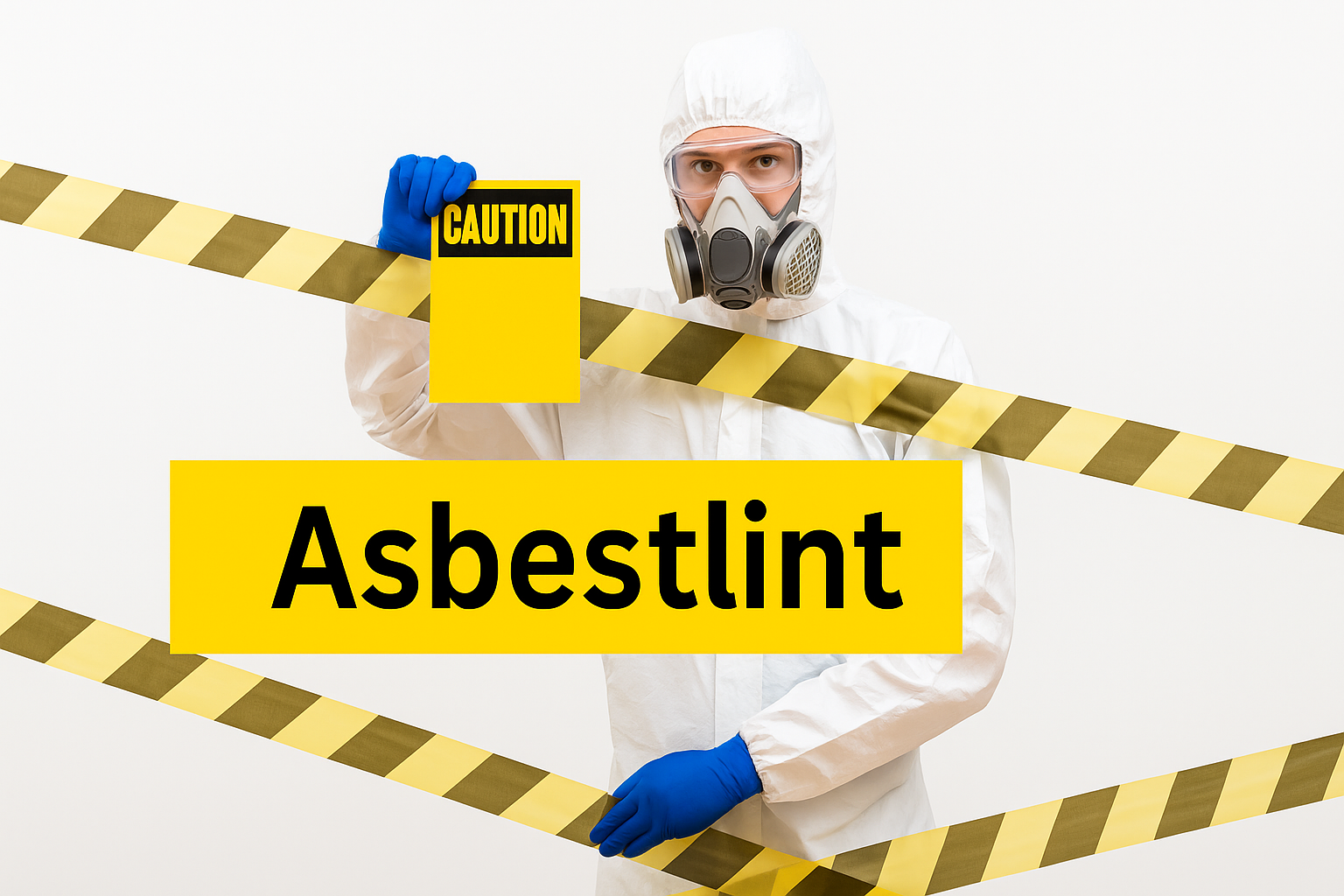
Introduction:
Many people come across asbestlint by accident. It often appears as thin dust, loose fibers, or aging tape around older pipes and insulation. Because asbestos fibers are tiny and easy to inhale, disturbing them can lead to long-term health problems. This guide helps you understand what asbestlint is, how to spot it, the risks linked to exposure, and how to handle the situation safely. The goal is to give you clear, practical steps so you can protect your home, health, or workplace with confidence.
What Asbestlint Is and Where It Comes From
Asbestlint refers to loose asbestos fibers or fragments released from older asbestos-containing materials (ACMs). These materials were once common in buildings because they were strong and heat-resistant. Over time, however, the fibers inside them break down.
Common sources of asbestlint
You may find asbestlint in places such as:
-
Old pipe insulation
-
HVAC systems and ducts
-
Boiler wrap
-
Roof sheets and siding
-
Old adhesive tapes and gaskets
-
Damaged walls or ceilings during renovation
When these materials age, they can shed fine asbestos dust. This dust becomes dangerous when it enters the air and reaches the lungs.
Why this matters
Asbestlint blends easily with normal dirt or construction dust. However, it behaves differently when disturbed because it can release microscopic asbestos fibers. These fibers float longer in the air and can enter deeper parts of the lungs.
Health Risks Linked to Asbestlint Exposure
Exposure to asbestos fibers is linked to serious diseases. This includes mesothelioma, asbestosis, and increased risk of lung cancer. These illnesses often develop slowly, sometimes over decades.
Why exposure is harmful
When asbestos fibers enter the lungs, they can irritate tissue and cause scarring. Over time, this damage may lead to:
-
Breathing problems
-
Chest tightness
-
Reduced lung function
-
Tumor growth in lung or abdominal linings
Factors that affect risk
Your risk level depends on:
-
How long you were exposed
-
How much dust was released
-
The specific asbestos type
-
Whether the area was disturbed
Even short exposure should be taken seriously. However, most issues appear after repeated or high-level exposure.
When to seek help
If you believe you were exposed to airborne asbestlint, speak with a doctor. Mention the exposure source, location, and duration. Health agencies like RIVM, WHO, and EPA offer reliable guidance on monitoring symptoms and long-term risks.
How to Recognize Asbestlint Safely
It’s difficult to identify asbestos with the naked eye. Still, there are safe ways to assess your situation without disturbing the material.
Signs that material may contain asbestlint
Look for:
-
Soft, fluffy fibers around old insulation
-
White or gray powder near pipe joints
-
Fraying tape on boilers or ducts
-
Dust appearing after minor repairs in older buildings
Safe steps you can take
-
Do not touch or disturb the area.
-
Stop air movement such as fans, heaters, or open windows nearby.
-
Take a photo from a safe distance for documentation.
-
Keep children and pets away from the area.
-
Call a certified asbestos inspector to confirm whether the material contains asbestos.
Testing for asbestlint
Professional inspectors collect small samples and send them to an accredited lab. They use approved methods like polarized light microscopy (PLM). This ensures accurate results and proper documentation. Costs vary, but professional testing offers peace of mind and meets legal standards if renovation or insurance claims arise.
Asbestlint Removal: Safe Options and Common Mistakes
Removing asbestlint requires extreme care. In many countries, improper removal is illegal because it can create dangerous airborne conditions.
Why DIY removal is unsafe
When you disturb asbestlint—even lightly—you release more fibers. Many common cleaning habits make the problem worse. These include:
-
Sweeping
-
Vacuuming with a normal household vacuum
-
Dry scraping
-
Blowing dust with air tools
These methods push fibers deeper into the home or work area.
How professionals remove asbestlint
Licensed asbestos contractors follow strict safety rules. Their approach usually includes:
-
Area containment: Plastic barriers and negative-pressure systems
-
Air monitoring: Ensures fibers stay controlled
-
HEPA filtration: Removes dangerous particles from the air
-
Wet removal methods: Reduces fiber spread
-
Secure waste packaging: Needed for proper disposal
Legal requirements and disposal
Disposal rules vary by region. Many countries require asbestos waste to be sealed, labeled, and delivered to approved hazardous-waste sites. You cannot place asbestos waste in ordinary bins or dumpsters.
Before hiring a contractor, ask for:
-
Proof of licensing
-
Insurance
-
A written removal plan
-
Clear disposal documentation
How to Prevent Future Asbestlint Exposure
You can reduce future exposure by following smart maintenance and renovation practices.
Best practices for prevention
-
Inspect older properties regularly. Check for signs of aging insulation or tape.
-
Seal ACMs when possible. Undisturbed materials are sometimes safer left in place.
-
Use safer alternatives like fiberglass tape, silicone wrap, or modern non-asbestos insulation.
-
Train workers who repair your home or workplace so they understand asbestos risks.
-
Plan ahead before renovations. Renovation work often disturbs hidden ACMs, so schedule asbestos checks first.
Document everything
Keep records of inspections, test results, repairs, and removals. This lowers future liability and helps new occupants understand past work.
Conclusion:
Asbestlint is easy to overlook but dangerous when disturbed. By knowing how to spot it, avoid exposure, and call trained professionals for testing or removal, you protect your home and health. If you suspect asbestlint, don’t wait. Take the safe route:
➡ Schedule a certified asbestos inspection today
➡ Download our safety checklist for quick guidance
➡ Read related guides on asbestos removal and testing
Taking action now ensures safer spaces for you and those around you.
Frequently Asked Questions
1. What is asbestlint?
Asbestlint is loose asbestos fibers or dust released from old asbestos-containing materials.
2. How dangerous is asbestlint?
Asbestlint is dangerous because inhaled fibers can cause long-term lung diseases like mesothelioma and asbestosis.
3. How can I recognize asbestlint?
You can recognize asbestlint by its soft, fibrous texture and gray-white dust near older insulation or pipe tape.
4. Can I remove asbestlint myself?
No, asbestlint removal should be done by licensed asbestos professionals to prevent airborne contamination.
5. Who should I call if I find asbestlint?
Contact a certified asbestos inspector or licensed removal contractor for safe testing and cleanup.