
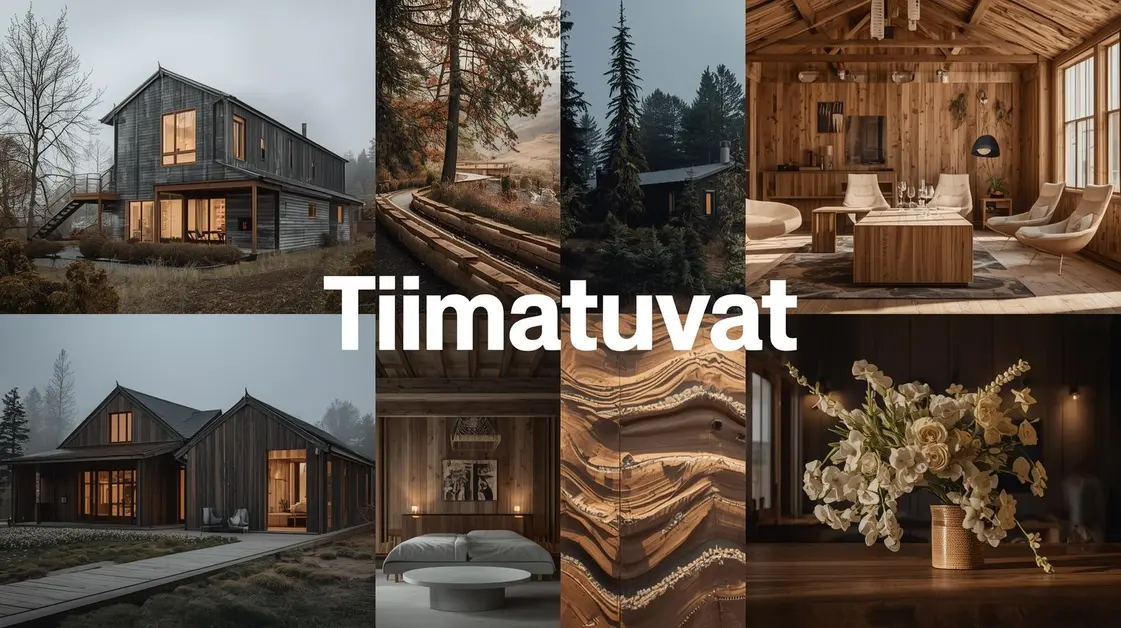
Introduction:
Many people hear the word ‘Tiimatuvat’ but struggle to explain what it means. Is it a place? A tradition? A new digital idea? Today, we live between old worlds and new ones. We still value heritage and identity, yet we build communities online instead of only in person. Understanding Tiimatuvat helps bridge that gap.
This guide explores its meaning, origins, cultural role, and future possibilities—both as architecture and as a modern idea for connection and community.
What Is Tiimatuvat? Definition, Meaning & Core Idea
At its simplest, ‘Tiimatuvat’ refers to a concept that blends shared space, cultural roots, and community experience. The word can describe:
Two interconnected interpretations:
-
Physical meaning: A traditional dwelling often found in cold climates, built from timber, stone, and natural materials.
-
Cultural meaning: A symbol of belonging—a space where people gather, share time, and support one another.
Summary Definition (Snippet-Friendly):
Tiimatuvat is a shared space concept rooted in heritage, community, and connected living seen both in physical dwellings and modern collaborative environments.
People often use the term to describe homes with warm interiors, open floor plans, a central fireplace, and a focus on togetherness. However, it has also evolved into a symbol for digital spaces: group chats, creative circles, gaming communities, and collaboration hubs that feel like home.
Origins: Where Tiimatuvat Began
To understand its power, we must look back. Historically, Tiimatuvat was linked to rural living. These dwellings reflected a way of life shaped by cold winters, close family ties, and skilful craftsmanship.
Key Characteristics of Origin:
-
Heavy timber walls for strength and insulation
-
Sloped roofs to shed snow efficiently
-
One central room for food, work, and rest
-
Shared living rather than isolated rooms
-
Built using local wood, stone, bark, and natural fibers
These were not only buildings they were social ecosystems. Families cooked, repaired tools, and told stories around the fire. Children learned skills from elders. Visitors were welcomed with food and warmth. The structure itself encouraged connection.
As people moved to cities, that physical way of living changed. Yet, the emotional blueprint remained. Tiimatuvat became less about architecture and more about what a home feels like safe, shared, grounded, human.
Tiimatuvat in Culture Identity, Community & Shared Symbolism
Culture shapes words, and words shape culture. Over time, Tiimatuvat has grown into a symbol of belonging. It represents:
What Tiimatuvat Signifies Emotionally:
-
Warmth and safety
-
Shared meals and shared stories
-
A home that remembers its people
-
Roots, identity, and memory
In modern culture, the term appears in:
| Cultural Context | Meaning |
|---|---|
| Storytelling | A place where characters return to heal or reunite |
| Music and art | A metaphor for shared experience and voice |
| Community dialogue | A symbol of “us,” not just “me” |
The word reminds us that people connect not only through interests—but through spaces and rituals that reinforce community bonds.
Architecture & Heritage The Physical Face of Tiimatuvat
Some people use ‘tiimatuvat’ specifically to describe traditional Nordic-style dwellings. These homes reflect centuries of environmental, social, and design intelligence.
Common Architectural Features:
-
Wooden beams & pine-spruce walls
-
Stone foundations that lock in heat
-
Central hearth for warmth and cooking
-
Open layout instead of closed rooms
-
Small windows to preserve heat
-
Natural insulation through moss, wool, or bark
These structures balanced beauty with practicality. Even today, architects study them to design sustainable homes. Their passive insulation reduces heating needs. Their natural materials leave a smaller environmental footprint. Because of this, Tiimatuvat connects heritage with eco-friendly innovation—a topic increasingly relevant in 2025 and beyond.
Digital Tiimatuvat: From Fireplaces to Online Collaboration
One of the most interesting evolutions is how the concept entered digital language. As work and social life moved online, people needed words to describe virtual rooms that felt human—not sterile.
Digital Interpretation Examples:
-
A team workspace where members share ideas freely
-
A gaming community with its own rituals and humor
-
A creative collective designing and building together
-
A learning group that gathers like a classroom-home hybrid
Virtual spaces mirror home spaces:
| Heritage Home Feature | Digital Equivalent |
|---|---|
| Common room | Shared group chat or hub |
| Fireplace | Central feed that brings people together |
| Tools and food | Shared files, resources, knowledge |
| Family roles | Moderators, contributors, creators |
This reinterpretation shows how heritage shapes digital culture. The term becomes a bridge between timber and code, between fireside storytelling and screenside collaboration.
Benefits: Why Tiimatuvat Still Matters
The concept survives because it solves a timeless human need: connection. People thrive in spaces that support shared life—offline or online. Tiimatuvat speaks to that instinct.
Key Benefits of the Tiimatuvat Model:
-
Strengthens relationships through shared practice
-
Encourages cooperation instead of competition
-
Supports emotional well-being through belonging
-
Preserves heritage in responsible, living ways
-
Inspires sustainable design in architecture
-
Guides digital community building with warmth and clarity
The message beneath the word is simple:
To live well, we must live with each other—not only near each other.
Future Possibilities: Innovation Built from Tradition
As society evolves, so will the meaning of Tiimatuvat. The next decade may bring even more exciting transformations.
Areas of Growth:
-
Architecture & construction
-
Hybrid wooden-smart homes
-
Energy-preserving layouts inspired by ancestral design
-
-
Digital platforms
-
Virtual reality gathering spaces
-
AI-moderated communities built on trust
-
-
Education & creativity
-
Project-based learning hubs
-
Shared online studios for young creators
-
Imagine entering a digital home with realistic light, wood texture, and crackling fire sounds then collaborating with people across the world. The emotional soul of Tiimatuvat adapts to modern tools.
Conclusion:
Tiimatuvat is more than a style of home. It is a reminder that connection, heritage, and shared experience remain central to human life. From timber dwellings in snow-covered landscapes to virtual rooms where ideas spread like firelight, the spirit of the word continues to evolve.
If you build communities, teach, design, or simply value spaces where people belong, Tiimatuvat offers a model worth studying. Learn from the past. Shape the future with warmth and intention.