
Introduction
In a world where global culture often seems dominated by mass‑media traditions, the term “Hitaar” rises as a quieter yet deeply resonant practice that bridges art, ritual, community, and wellness. While many may not yet be familiar with this term, exploring Hitaar opens a window into how meaningful traditions evolve, survive, and adapt in modern life. In this article, we’ll dive into the origins of Hitaar, its cultural and spiritual significance, how it’s performed, its benefits for wellness, and how it’s living on in a changing world.
What is Hitaar?
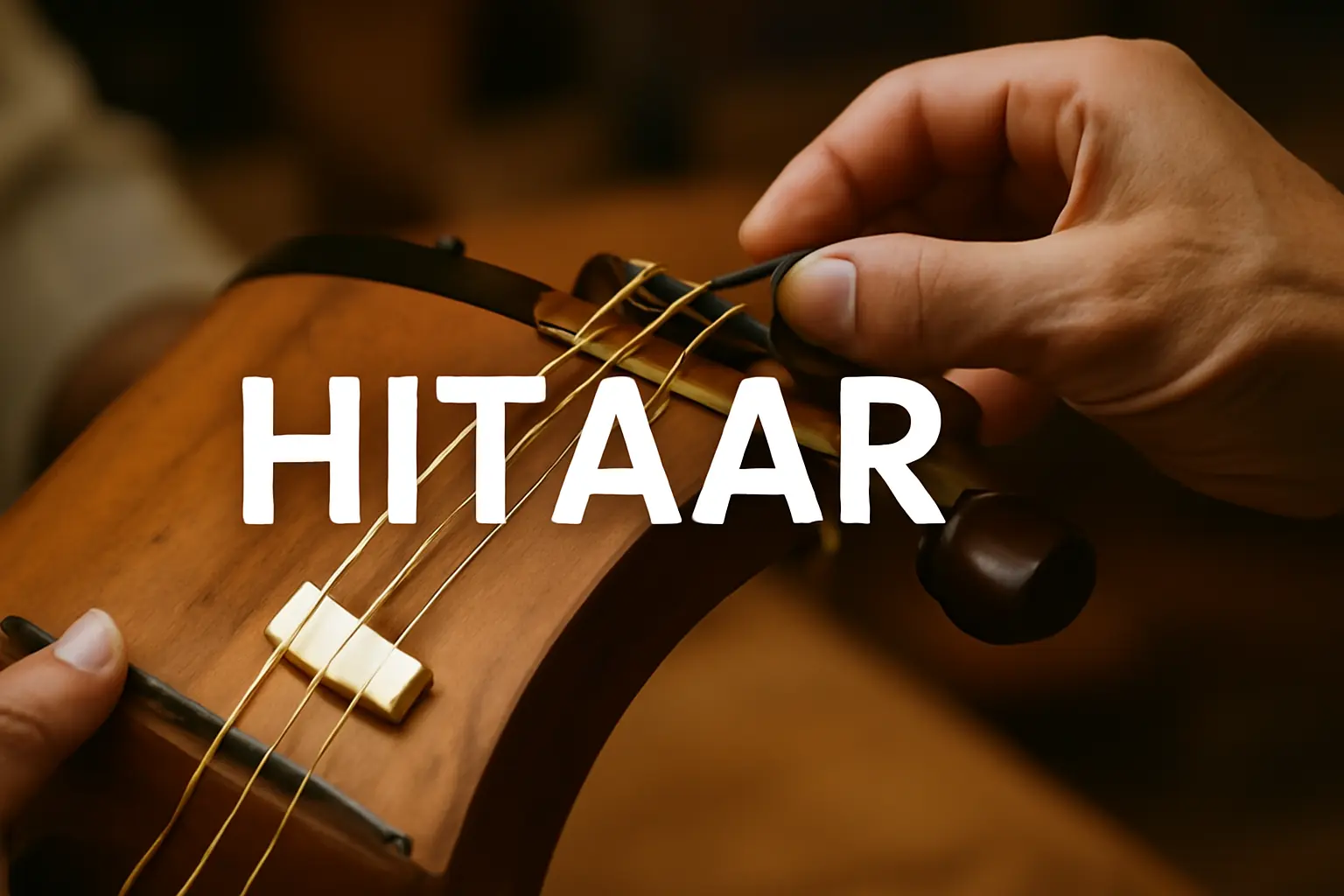
The concept of Hitaar refers to a layered tradition combining expressive movement, ritualised performance, and communal engagement. In one view, it originates as an art‑form rooted in Japanese culture, linked to Shinto and Buddhist ceremonial dances. In another interpretation, the term surfaces in Middle Eastern contexts as a handcrafted string instrument involved in storytelling and heritage. This duality of meaning illustrates how the word has adapted across geographies and cultural frames — whether as an instrument, a movement ritual, or a communal practice.
For our purposes, we’ll treat Hitaar broadly: a tradition that fuses movement, craft, sound, and community to preserve heritage and enable wellness.
The Cultural Roots & Origins of Hitaar
Early beginnings and religious context
According to historical accounts, Hitaar finds its roots in ancient Japan. Conceived as a ritual to mark seasonal cycles, agricultural rhythms, and nature‑worship, it drew on the spiritual notions of kami (spirits) and communal identity. Villagers would gather, perform slow choreographed gestures, accompanied by music and offerings, all in service of ancestral connection and ecological awareness.
Regional variations and evolution
Over time, distinct regional styles of Hitaar emerged. As described, the tradition evolved through the Heian, Edo, and Meiji periods in Japan — each era influencing its aesthetics, symbolism, and public role.
Similarly, in Middle‑Eastern heritage, when Hitaar is framed as a stringed instrument, it evolved from nomadic tribes’ musical tools to refined craftsmanship used in cultural gatherings.
Preservation in modern times
Despite periods of decline, this tradition endured through community effort, apprenticeships, and cultural preservation programmes. Many rural communities in Japan kept the tradition alive even as urbanisation threatened older practices. Today, global interest has sparked renewed attention.
The Aesthetic & Symbolic Language of Hitaar
Movement, gesture & performance
In the Japanese context, Hitaar is characterised by deliberate, slow‑flowing movements, each gesture symbolising natural phenomena — wind, water, seasons, ancestral echoes. Performers often wear traditional costumes, use minimal but highly expressive design, and create a contemplative atmosphere rather than a flashy show.
Music, craft & instruments
Accompanying the movements are traditional instruments — for example, shamisen, taiko drums, and shakuhachi flutes — creating a soundscape that mirrors the visual story. In another dimension, the version of Hitaar as instrument highlights craftsmanship: selecting woods, tuning strings, applying hand‑finished details.
Community, ritual & meaning
Performance of Hitaar isn’t isolated; it often involves the community, audience participation, and ritual acts of offering or purification. The setting may be a temple, shrine, outdoor gathering, or festival. Symbolism is dense: movement reflects nature, costumes reflect values, the collective act strengthens memory and identity.
Hitaar and Personal & Social Wellness
Mind‑body connection
One of the compelling modern appeals of Hitaar is how it blends movement, breath, mindfulness, and community. The slow gestures, intentional music, and communal setting align with practices like yoga or tai chi, offering a path to emotional calm, focus, and embodiment.
Psychological and social benefits
Because it is communal and ritualised, Hitaar fosters feelings of belonging, connectivity, and cultural rootedness. Practitioners describe how involvement in such a practice reduces anxiety, anchors the self in a larger narrative, and enables emotional release. Moreover, the community dimension offers a safety‑net of social support and shared purpose.
Therapeutic and creative aspects
Beyond purely ritual performances, Hitaar can become a tool for creative expression—whether through movement, music, or craft. For individuals seeking meaningful engagement beyond the screen or routine, it offers a channel of patience, skill, and artistic discipline.
Contemporary Adaptations & Global Spread
Education, workshops and digital reach
In recent years, Hitaar has seen a revival. Workshops, online classes, instructors bringing it into new regions. Social media has helped — quick clips of performance, behind‑the‑scenes craft processes, fusion with modern music/video.
Fusion with modern art, fashion, media
Designers and artists are incorporating visual elements of Hitaar into textiles, performance art, installations. In fashion, the minimalist aesthetic and symbolic motifs of the tradition inspire new collections. Musicians may fuse the instrument‑style Hitaar with electronic or jazz genres.
Challenges and cultural considerations
With globalisation comes the risk of dilution or appropriation. Some traditionalists express concern that modern performance turns this deep tradition into spectacle, losing its ritual meaning. Balancing innovation with respect for origin is key. Also, maintaining faithful craftsmanship and meaning when scaled internationally remains a challenge.
How to Experience or Practice Hitaar Yourself
Attend a performance
If you can travel to Japan (or attend cultural festivals abroad), look for Hitaar performances in festival settings, temple grounds, or heritage events. Witnessing it live gives you the full sensory experience: sound, movement, community.
Try a workshop or online tutorial
Look for certified instructors or cultural centres offering sessions. You don’t need to be an expert — many workshops welcome novices and focus on movement awareness, instrument basics, or community drumming.
Incorporate elements into daily life
Even without full performance, you can adopt principles of Hitaar: slow intentional movement, mindful breathing, communal engagement (e.g., group drumming or craft circles). Simple steps like gathering in small groups to learn a craft or musical piece, sharing stories and creating art can echo the tradition.
Support craftsmanship and heritage
If you’re drawn to the instrument‑aspect of Hitaar, look into artisan‑made instruments or replicas crafted by traditional makers. Supporting such craft helps preserve heritage, and owning a piece connects you more deeply to its story.
Why Hitaar Matters in Today’s World
In a fast‑paced, digitally saturated era, many of us feel dislocated from meaningful ritual, from community, from a sense of heritage. Hitaar offers something different: a practice rooted in movement, shared experience, artistry, and deep cultural memory. It reminds us that art isn’t just spectacle — it can be anchoring; that community isn’t just online — it can be embodied; that heritage isn’t just archived — it can live.
By engaging with Hitaar, we invite a deeper form of presence: to listen, sense, gather, move slowly, reflect. Whether you’re drawn to its cultural roots, its wellness potential, or its artistic expression, this tradition offers a rich path.
Frequently Asked Questions (FAQs)
Q1: What exactly does the term “Hitaar” mean?
A1: The term can have multiple connotations depending on context — broadly it describes a tradition combining movement, ritual, craft or instrument‑based art rooted in cultural heritage.
Q2: Is Hitaar only practised in Japan?
A2: While one major lineage originates from Japan and links to Shinto/Buddhist ritual, interpretations of Hitaar (such as the instrument version) appear in Middle‑Eastern heritage and other cultural spheres.
Q3: Do I need to be an expert or dancer to get involved in Hitaar?
A3: No. Many workshops welcome beginners. The emphasis is on awareness, community, movement, and craft rather than high‑performance perfection.
Q4: What are the wellness benefits of Hitaar?
A4: Benefits include improved mindfulness and focus, emotional release, social connection, and a sense of purpose rooted in cultural practice. The slow, deliberate movement and communal aspects are especially supportive.
Q5: How can I find authentic Hitaar events or instruments?
A5: Look for cultural heritage festivals, artisan craft fairs, online workshops offered by credible cultural centres. For instruments, choose makers who acknowledge traditional craftsmanship and materials.